Women's Lingerie Hardware to Check if You Have a Nickel Allergy
Choosing women's lingerie when you have a nickel allergy means checking more than the fabric. Bra hooks, strap adjusters, decorative rings and suspender clips can bring metal into contact with your skin, even when the rest of the garment feels soft. The useful question is not simply whether a piece contains metal, but whether its fittings release nickel and where they touch your body.
You do not necessarily need to rule out every bra, bodysuit or lingerie set with hardware. Start by identifying exposed fittings, asking for specific material information and avoiding assumptions based on colour or finish.
Why metal fittings can cause a skin reaction
Nickel allergy is a form of allergic contact dermatitis. In someone who is sensitised, nickel exposure can trigger an itchy skin reaction. According to DermNet's guidance on nickel allergy, clothing fasteners are among the everyday objects that can cause problems.
Symptoms may include itching, redness or other colour changes, dry patches, bumps or blisters where the metal touches the skin. The reaction can be delayed, so a garment feeling comfortable when first put on does not establish that its hardware is suitable.
Sweat and friction can make an already irritated area more uncomfortable. A tight band may also hold a fitting firmly against the skin, increasing contact.
However, a rash beneath a bra does not automatically mean nickel allergy. Rubbing, detergent residue and reactions to other garment materials can produce similar symptoms. The location offers a clue, not a diagnosis.
Where to check women's lingerie for metal hardware
Look at both the outside and the skin-facing side of the garment. Product photographs often highlight decorative details while leaving the underside of fasteners out of view.
| Hardware | Where to look | What to check |
|---|---|---|
| Hooks and eyes | Back bands, front closures and some bodysuits | Whether hooks, eyelets or their edges touch skin beyond the backing fabric |
| Strap sliders and rings | Shoulder straps and strap attachment points | Whether fittings rotate or sit directly against the shoulders or back |
| Decorative rings and chains | Necklines, waistbands, briefs and harness-style details | Which surfaces rest against the body rather than only against fabric |
| Suspender clips and adjusters | Suspender belts and attached straps | Exposed metal on the reverse of clips and sliders |
| Press studs and zips | Bodysuit gussets, fronts and backs | Skin-facing backs, teeth and fastener edges |
| Underwires | Channels beneath the cups | Worn fabric, exposed wire tips or damaged casing |
An intact fabric channel normally separates an underwire from the skin. A wire poking through its casing is a reason to stop wearing the garment, regardless of whether you have an allergy.
For women's lingerie with several adjustable straps, inspect each fitting separately: similar-looking parts are not proof of identical materials. Also consider how they move when the garment stretches, because a ring covered at rest may become exposed during wear.
What “nickel-free” and “hypoallergenic” actually tell you
Silver, gold, black and rose-gold finishes describe appearance, not a verified metal composition. A gold-coloured clasp is not necessarily gold, and a coating does not establish what lies underneath it.
Likewise, “hypoallergenic” alone is not enough information to judge a particular fastening. Ask whether a statement applies to every metal component or only to one decorative feature.
Nickel content and nickel release are different questions. An alloy can contain nickel, while the amount released onto the skin depends on the material and its condition. Stainless steel is not automatically nickel-free, so the name alone should not be treated as a guarantee.
Plating can wear, scratch or chip. A previously comfortable fitting may therefore become troublesome later. Do not rely on clear nail varnish as a lasting barrier: it can break down, and the coating itself may irritate some skin.
Where material details remain uncertain, choosing a design without exposed metal at the affected area is a more cautious approach than guessing from a photograph.
What to ask before ordering online
When shopping for women's lingerie with a known nickel allergy, ask about the exact style and colour you intend to buy. A general answer about a collection may not establish what is used in each fastening.
A useful enquiry is: “I have a nickel allergy. Can you confirm the materials used in this item's hooks, strap rings, sliders and decorative metal parts, and whether any nickel-release testing information is available?”
Keep the questions specific:
- Component materials: Ask about the base metal as well as any plating or coating.
- Scope of a claim: Check whether “nickel-free” applies to all hardware, including small connecting rings.
- Skin contact: Request a clear photograph of the reverse of closures and decorative fittings.
- Alternatives: Ask whether there is a comparable design with non-metal fastenings or fewer exposed fittings.
If the retailer cannot confirm the information, treat the hardware as unverified rather than assuming it is suitable.
For bridal lingerie or a gift, resolve these questions before ordering. It also helps to check the item's exchange conditions, since eligibility and garment-condition requirements matter if the recipient cannot wear the hardware.

How to inspect a garment when it arrives
Before wearing it, compare the actual fastenings with the description and any information supplied by the retailer. Check the reverse of each component, not just the polished front. Look for rough edges, chipped finishes and hardware that extends beyond its fabric backing.
Consider the garment in its adjusted position. Shortening a strap may move a slider onto the shoulder; stretching a band may uncover part of a hook. A fabric flap can reduce direct contact, but it is not a guarantee if it shifts during wear.
Fit matters too. A band that digs in can create friction even when the hardware is not responsible. Our guide to lingerie fabrics and fit explains those separate comfort checks.
Commercial nickel spot-test kits, often based on dimethylglyoxime, can help identify nickel release from some metal surfaces. Follow the kit's instructions, check suitability for the finish and never apply the testing chemicals to your skin. A negative result does not prove a fitting is safe for you.
An inspection of women's lingerie can identify possible exposure points, but it cannot diagnose an allergy or guarantee that a reaction will not occur.
What to do if a fitting seems to trigger a rash
Stop wearing the suspected garment rather than repeatedly putting it on to confirm the reaction. Note where the rash appeared and which component rested there. Photographs of the skin and the corresponding fitting can help you explain the pattern to a clinician.
Avoid scrubbing the area or trying to seal the offending hardware while continuing to wear it. A pharmacist or GP can advise on appropriate care. Seek medical advice promptly if the rash is severe, spreading, painful, blistering or appears infected.
If the cause is unclear or reactions keep returning, a dermatologist may recommend patch testing for contact allergy. This uses controlled exposure to potential allergens and is different from a skin-prick test. It can help distinguish nickel allergy from reactions to other substances.
Once the trigger is established, keep a record of materials and construction details that suit you. That makes future women's lingerie purchases easier to assess without assuming that every metal fitting will behave the same way.
Frequently asked questions
Can I tell whether a bra clasp contains nickel by looking at it? No. Colour, shine and a smooth surface do not establish its composition or nickel release. Ask for component-specific information rather than relying on appearance.
Are underwire-free bras always suitable for nickel allergy? No. They may still have metal strap rings, sliders, hooks or decorative details. Removing underwire from the design does not necessarily remove other possible sources of exposure.
Does washing lingerie remove nickel from the hardware? Washing does not turn a nickel-containing fitting into nickel-free hardware. Follow the care label, but do not use washing as an allergy-prevention measure.
Can fabric-covered hardware still cause problems? Yes, if the covering shifts, becomes worn or leaves an edge exposed. Inspect the garment in the position in which you will wear it, rather than assuming a small backing flap provides complete separation.
What should I prioritise when choosing women's lingerie as a gift for someone with nickel allergy? Ask the recipient about their known triggers and preferred designs. Confirm the hardware details before buying and choose together if suitability remains uncertain.
Choose the details, not just the look
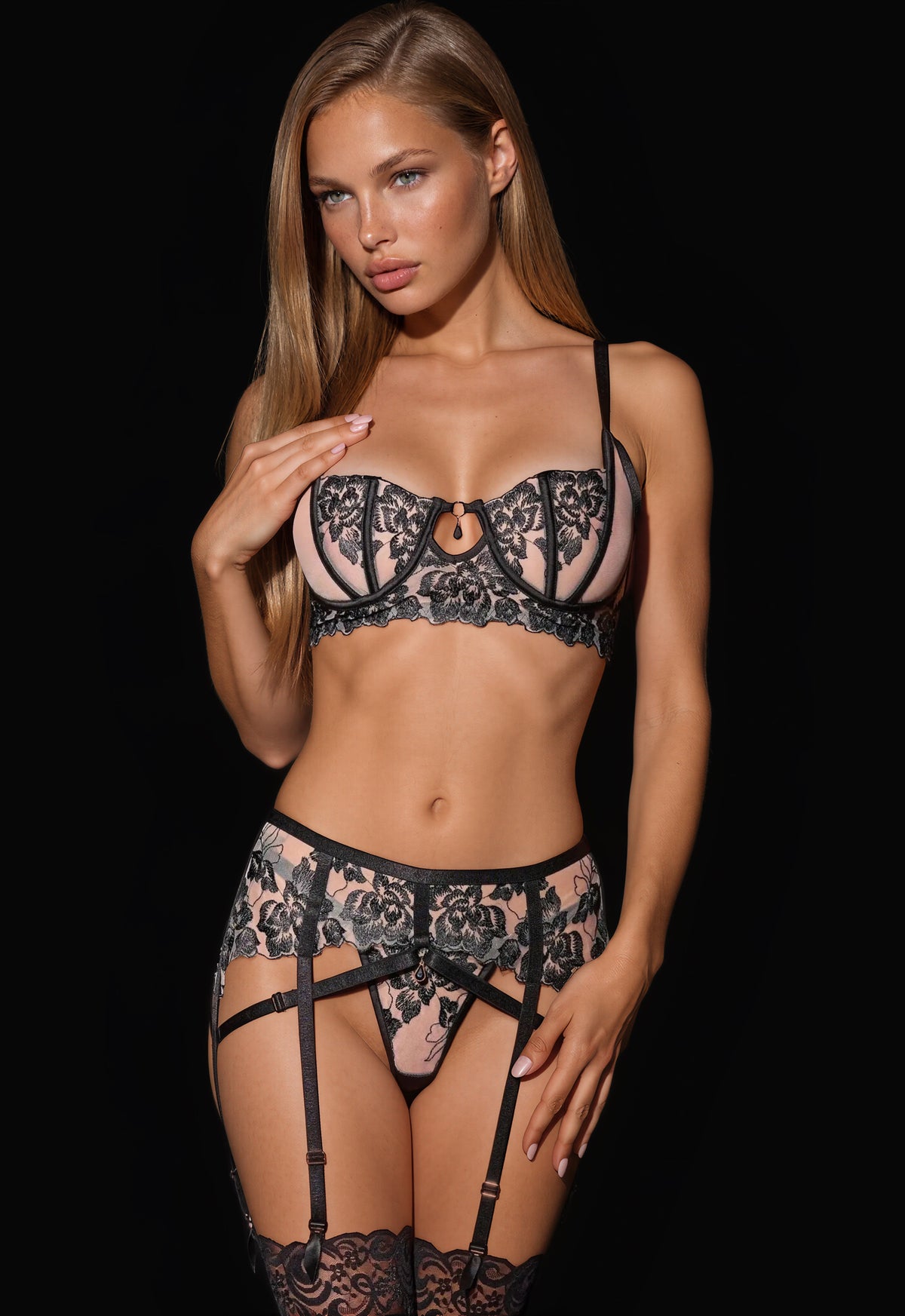
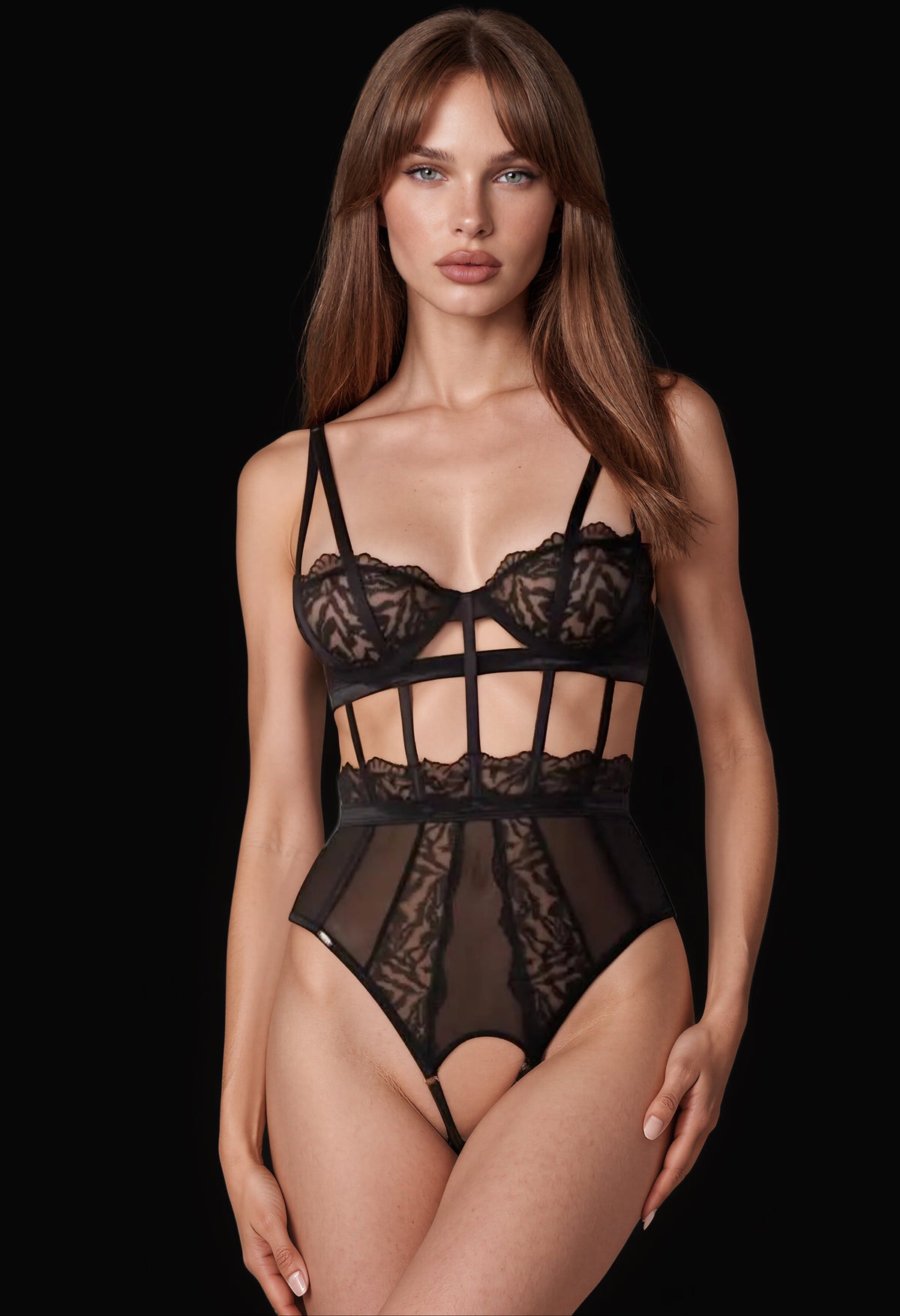
A beautiful set still needs to suit the person wearing it. When browsing Lingerie Fox's lingerie collections, use the product images to identify fittings, then ask about any materials that are not specified. If nickel suitability cannot be confirmed, choose a different design rather than treating an attractive finish as reassurance.